
Looking for expert breast reconstruction care in Los Angeles? You’re in the right place. Misshapen breasts can occur after a botched augmentation procedure or breast cancer surgery. If you’ve undergone these procedures or have otherwise been in an accident that has caused damage to your breasts, Dr. Aronowitz can help. Breast reconstruction is one of the doctor’s specialties, and he is ready to offer his 30+ years of expertise to help you achieve your desired results. Call us at (310) 659-0705 to schedule a consultation or learn more about breast reconstruction in Los Angeles. You can also use the button below to contact us online and our team will follow up with you. We work with a variety of health insurance carriers for breast reconstruction procedures. At this time, we do not accept Medicare or Medi-Cal. Please contact our office to learn more about insurance options that may help cover your breast reconstruction surgery.
Breast Reconstruction in Los Angeles by Dr. Aronowitz
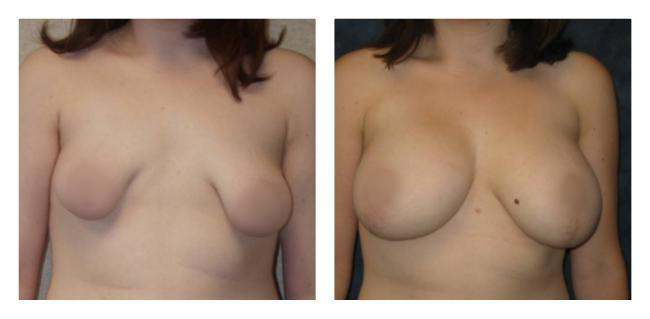
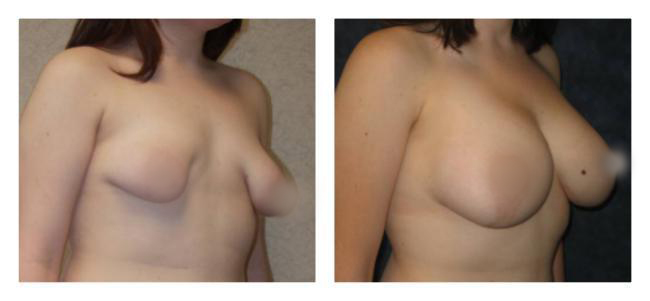
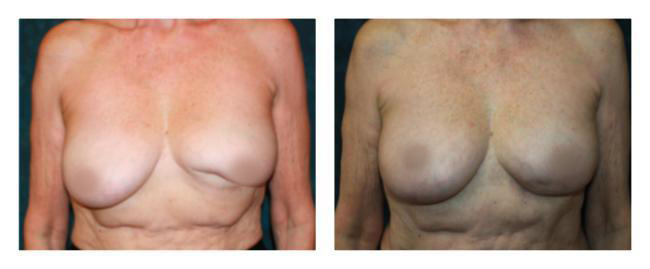
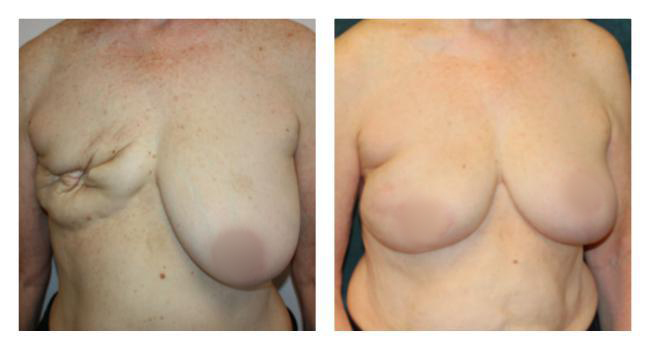
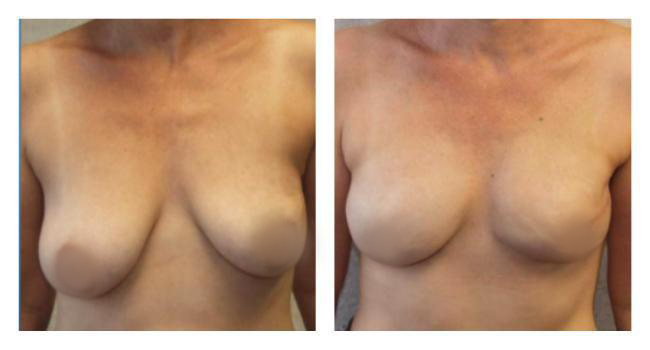
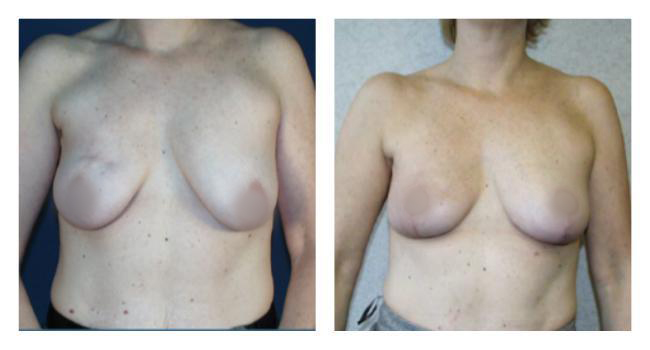
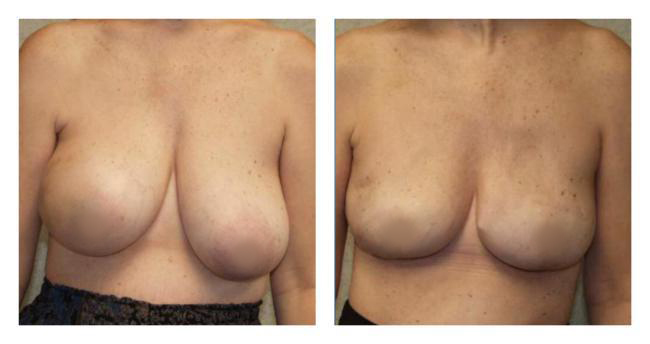
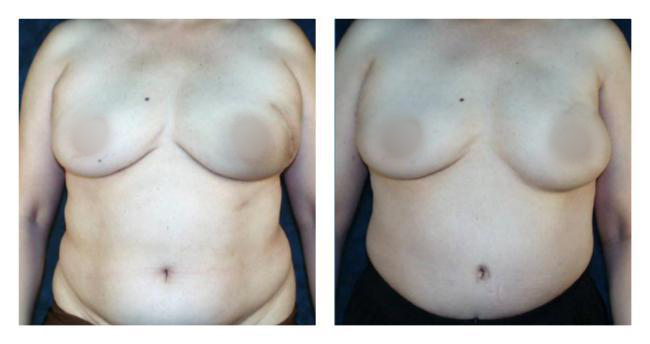
Who Is a Candidate for Breast Reconstruction in Los Angeles?
Thousands of breast augmentation procedures are conducted daily. A minority of these procedures result in complications requiring surgical correction. If you have distorted or hardened breasts from capsular contracture, malposition, symmastia, ruptured implants, or wrinkling over the implant, this procedure may be right for you. Similarly, this procedure may be right for you if you have been treated for breast cancer.
Breast Reconstruction Procedure
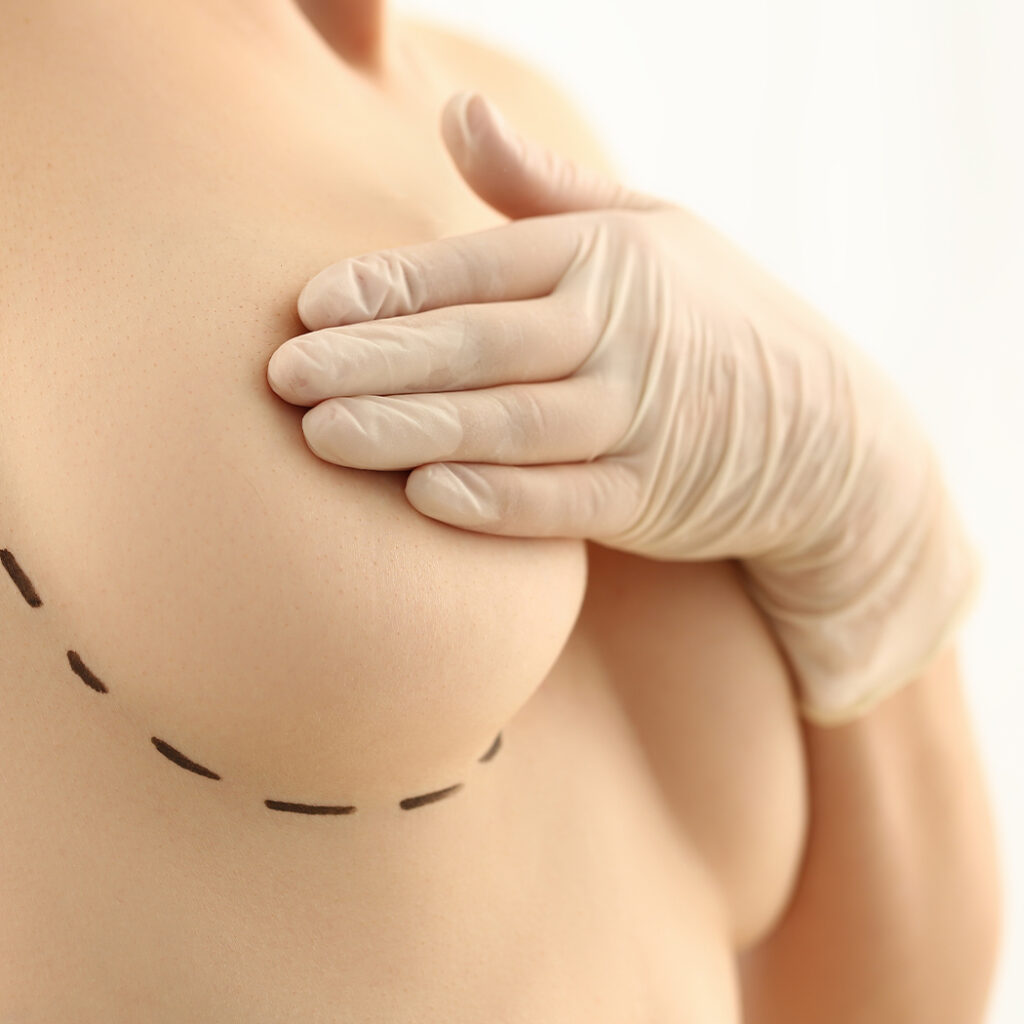
Breast reconstruction comes in two varieties: implant-based or flap reconstruction. Implant reconstruction relies on breast implants to help form a new breast mound. Flap (or autologous) reconstruction uses the patient’s tissue from another part of the body to form a new breast.
A general anesthetic is usually used during this outpatient procedure. If the implant has moved too low or towards the side, the skin may have temporary dimples from stitches placed to hold the new implant in the correct position. The dimples usually disappear in 4-6 months. If you decide to reduce the size of your new implants, you may need to choose whether to lift your breasts or accept that the breast will sit a little lower on the chest wall.
Breast Reconstruction Treatment Outcome
It’s common to experience some discomfort after reconstruction surgery. If the implant has been moved from above the muscles to beneath, or stitches have been placed to hold the implant in its new position, the pain may be worse, and pain may occur upon moving the arms. Typically, there is not much bruising or swelling after the process. You should be able to return to work in 7-10 days. However, you must avoid strenuous activity for 4-6 weeks. Interested in breast reconstruction in Los Angeles? Fill out the form at the bottom of the page or call (310) 659-0705 to speak with our team.
Real Patients, Real Stories: Breast Reconstruction Los Angeles
Schedule a Breast Reconstruction Surgery in Los Angeles, CA
If you have had a bad breast augmentation, injury, or mastectomy, breast reconstruction may be right for you. Dr. Aronowitz has been performing these procedures for over 30 years and is ready to help you feel beautiful again. Learn more about breast reconstruction in Los Angeles by filling out and submitting the appointment form below or calling our office at (310) 659-0705.
Breast Reconstruction Los Angeles FAQ
Many people use the terms interchangeably, but there are variations between the two. Breast implant exchange is when a doctor surgically removes the existing breast implants and replaces them with new ones. Exchanges are usually done to upgrade or change the size or material of the implants. Breast implant reconstruction is a more complex surgery that typically follows a mastectomy or occurs when the breast experiences complications or trauma. The purpose of reconstruction is to correct the complications and rebuild the shape of the breasts.
The first thing you should do is pay attention to the appearance of your implants. If they feel and look natural, then you probably don’t have anything to worry about. However, if you notice your breast implant size or shape changing unexpectedly, then you should go to the doctor for an evaluation to see what is going on. Checkups are critically important if you recently suffered an accident or trauma to your chest area, as this can definitely cause complications with the implants. The doctor will decide whether you need a breast implant exchange or reconstruction to correct it.
You can expect the surgery to take anywhere from 1 to2 hours on average, while more complex surgeries may need up to four hours. Doctors usually administer general anesthesia so that you won’t experience any pain or discomfort during the procedure.
Most patients recover from breast implant replacement surgery within 1 to 4 weeks. The good news is that you can usually return to work after the first week of recovery. However, your doctor will probably advise you to avoid any strenuous activities for up to 6 weeks, or until they see all your symptoms from the surgery have cleared. Visible scars may persist on the skin for up to 6 months.
Assuming there is no future trauma and complications, your breast implants should last anywhere from 10 to 20 years before they need replacement. The better you care for your chest area, the longer your breast implants will last.
Yes, it is possible to switch between saline breast implants and silicone breast implants. Many patients with saline breast implants will make the switch to silicone because they feel it gives them a better, more natural appearance. Alternatively, other patients will switch to saline breast implants to minimize the risk of ruptures. Talk with your doctor to learn more about the differences between the two breast implant materials. Everyone will have their own preferences.
It depends on the reason for the surgery. If you are merely getting a breast implant exchange or reconstruction for cosmetic purposes, your health insurance provider is likely not going to cover it. Insurance typically won’t even cover the cost of treating complications and ruptures. The only circumstance under which insurance would cover the surgery is if it were medical-related or life-threatening, such as breast reconstruction to help treat cancer.